Six days of chaos, freedom, and music on a Danube island where Budapest disappears into festival dust 🎪🎶
416,000 visitors
Sziget Festival: Budapest's Island of Freedom Turns the Danube Into a Music Republic
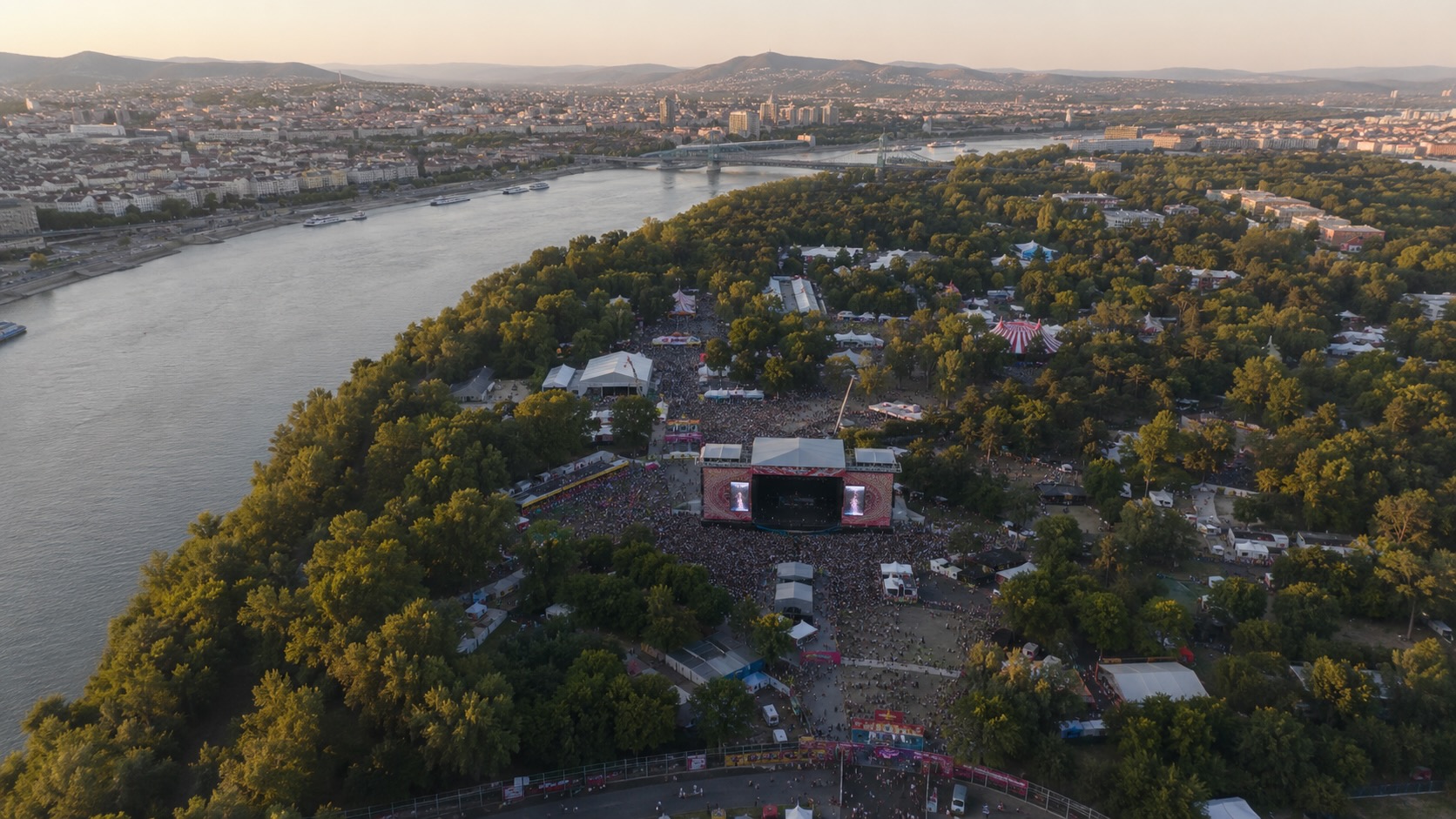
Every August, a scrap of land in the middle of the Danube stops being a quiet suburban island and becomes one of the loudest places in Europe. Hajógyári-sziget, the "shipyard island" in Óbuda, hosts Sziget Festival, a week-long takeover that in 2026 runs from August 11 through 15. Locals here talk about "before Sziget" and "during Sziget" the way other cities talk about hurricane season — the transport lines fill, the campsites bloom overnight, and for six days this patch of Budapest answers to nobody but the festival's own passport-stamped rulebook, an arrangement blessed by the Hungarian National Tourism Agency.
Far from being a mere concert series, this event is a self-governing cultural republic with its own currency of wristbands and its own unwritten laws of hedonism. For any person looking for an indelible cultural experience in Central Europe, this festival is a spectacle that cannot be missed.
Historical Context
Sziget traces its roots to 1993, when a scrappy student-run gathering called Eurowoodstock pulled a few thousand fans onto the island with a shoestring budget and a stubborn idea: rock music could be a peace project in a region still shaking off decades of Soviet-era restriction. The name changed to Sziget — simply "island" in Hungarian — as the event outgrew its Woodstock-tribute origins and built an identity around freedom of expression rather than nostalgia.
By the 2000s attendance had climbed from roughly 250,000 to well over 400,000, with the 2025 edition drawing 416,000 visitors and crossing the symbolic threshold of 11 million total festivalgoers since the first edition. That growth happened even as the organizers wrestled with post-pandemic financial pressure, leaning on younger crowds and revamped nighttime ticket pricing to reverse a multi-year decline in attendance.
Common Activities
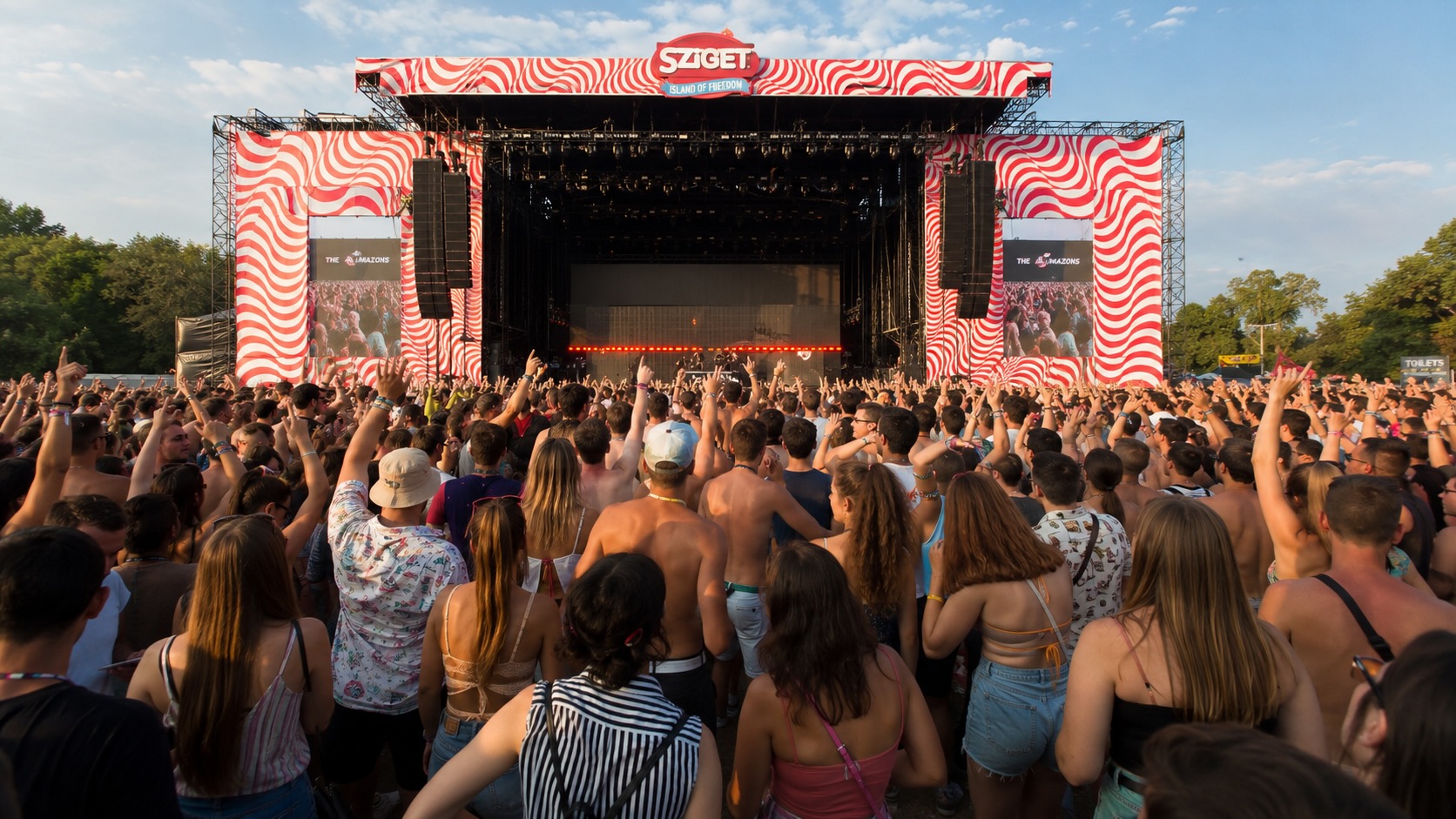
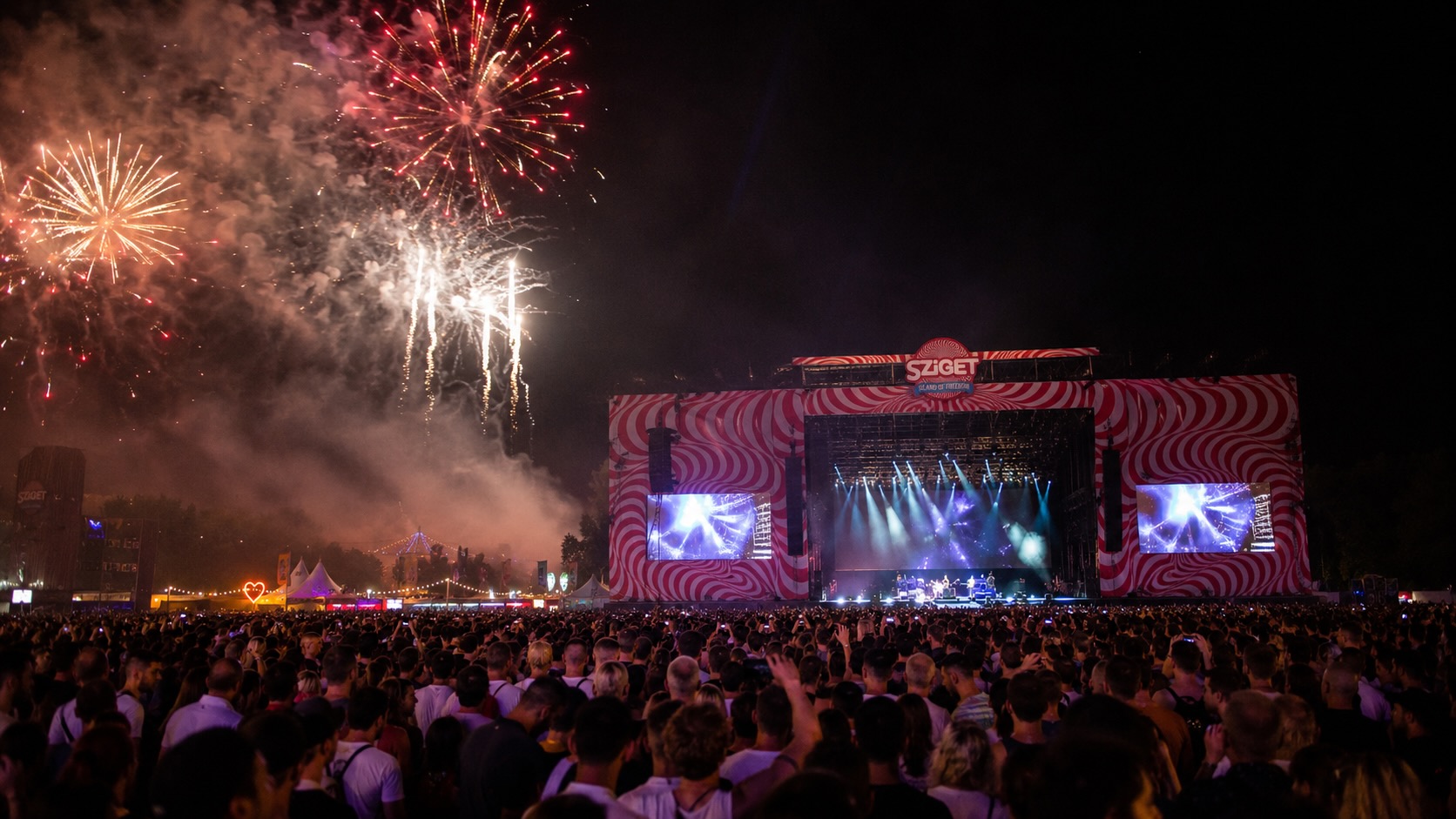
Across roughly 50 stages scattered over the island, the days blur into a rotation of headliner sets, DJ tents, circus acts, and theatre performances running well past midnight. The 2026 lineup pulls together names like Twenty One Pilots, Florence + The Machine, and Lewis Capaldi on the main stages, while side tents run everything from Balkan brass to techno until sunrise.
Beyond the music, the island runs its own amusement park, a floating cinema on the Danube, NGO-run discussion tents, and body-painting corners where strangers become temporary art projects. The specific sensory chaos — sunscreen and beer, bass bleeding between stages, glitter caked on dust — is what regulars mean when they say Sziget "smells like August."
Traditional Practices
Costume culture runs deep here: face paint, flag capes representing dozens of nationalities, and homemade festival gear turn the crowd itself into a moving exhibit. Hungarian food stalls sell lángos (fried dough slathered in sour cream and cheese) and grilled kolbász sausage alongside craft beer and Tokaji wine, giving the otherwise international crowd a steady dose of local flavor between sets.
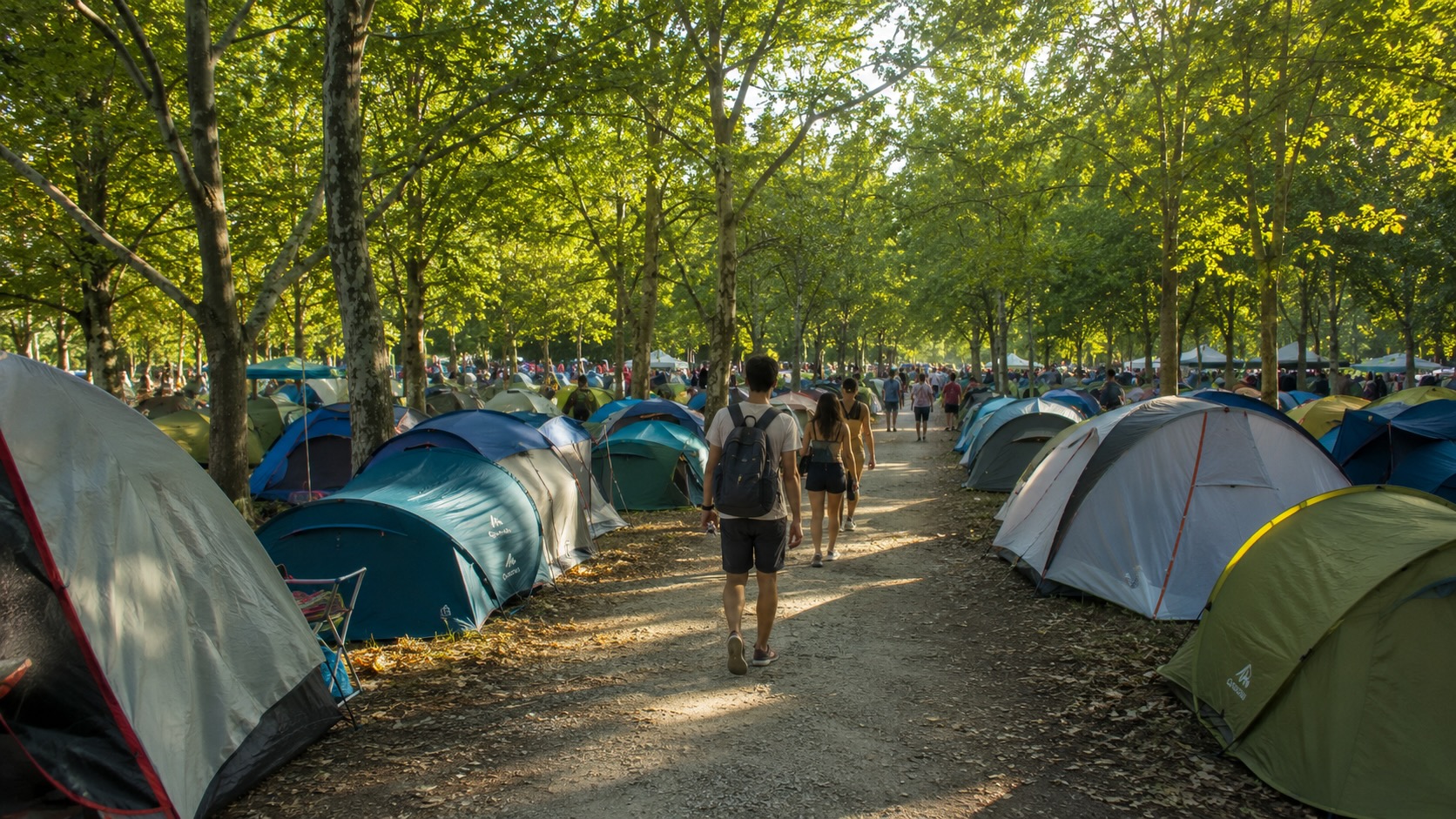
Camping etiquette has its own informal code — quiet hours are a myth, but shared water refills and impromptu jam circles are near-universal rituals across the tent fields on Hajógyári-sziget.
What to Expect
The 2026 edition runs Tuesday August 11 through Saturday August 15, with an additional move-in day for campers arriving early. The island sits a short HÉV suburban railway ride or direct festival shuttle from central Budapest and roughly 25 minutes from Budapest Ferenc Liszt International Airport, making it one of the more transit-friendly major European festivals.
Daily tickets start around €65 with full festival passes climbing higher depending on release wave, and camping options range from basic tent plots to premium glamping pods. Pack light layers for swings between blistering afternoon heat and cooler riverside nights, sturdy closed shoes for the packed-dirt paths, and cash or card backup since on-site payments run through a festival wristband system tied to Hungarian forint pricing.