Easter in Europe
Easter in Europe: Celebrations Across Cultures
Easter in Europe is a time of vibrant celebrations, blending religious traditions with cultural heritage. It marks a period where communities come together to rejoice at the Resurrection of Jesus Christ. This article explores the diverse ways Easter is celebrated across Europe, focusing on both Western and Eastern Orthodox traditions.
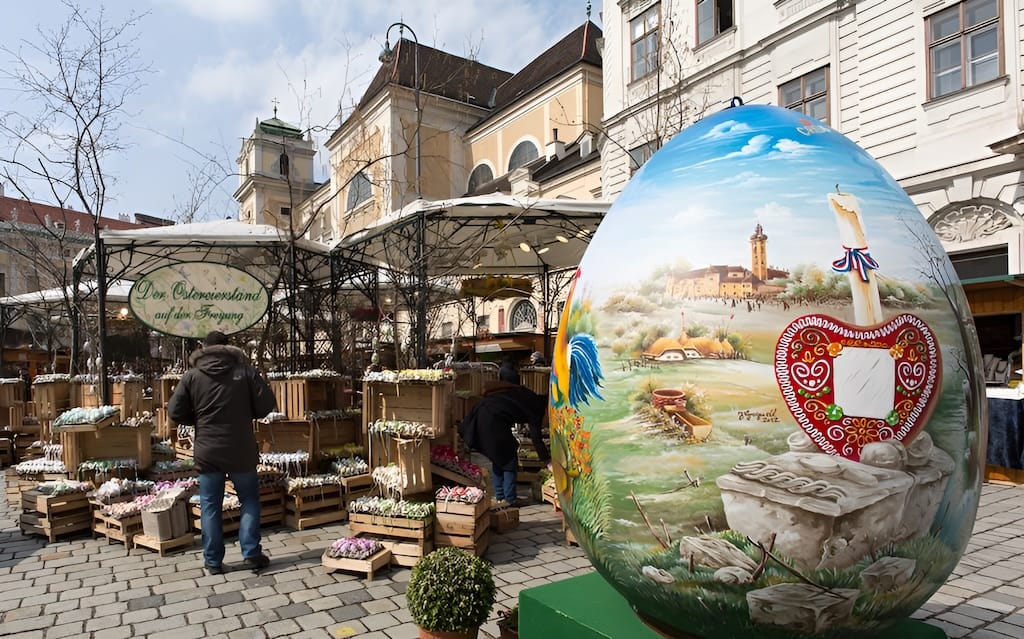
Easter Sunday Celebrations
Easter Sunday is a pivotal event in many European countries, celebrated with a mix of solemnity and joy.
🇩🇪 Germany
- Osterfeuer (Easter Fire): In Northern Germany, large bonfires are lit to symbolize the triumph of light over darkness.
- Easter Egg Hunts: A beloved tradition where children search for chocolate eggs hidden by the Easter Bunny.
🇮🇹 Italy
- La Pasqua: Known for its grand religious processions, especially in cities like Rome and Florence.
- Scoppio del Carro (Explosion of the Cart): In Florence, a historic wagon filled with fireworks is ignited to ensure a good harvest.
🇪🇸 Spain
- Semana Santa (Holy Week): Famous for its elaborate processions, particularly in Seville, featuring hooded penitents and intricate floats.
- Dance of the Death: In Verges, this unique dance symbolizes the mortality of human life.
Easter Monday Traditions
Easter Monday extends the celebrations with various unique customs.
🇵🇱 Poland
- Śmigus-Dyngus (Wet Monday): Traditionally, boys splash girls with water, symbolizing the cleansing of sins and welcoming of spring.
🇭🇺 Hungary
- Locsolkodás (Sprinkling): Similar to Poland's tradition, men sprinkle women with perfume or water for health and beauty.
🇬🇧 United Kingdom
- Egg Rolling: In Lancashire, participants roll decorated eggs down a hill, with the farthest egg winning.
Orthodox Easter Celebrations
Orthodox Easter often includes additional or varied traditions.
🇬🇷 Greece
- Anastasi (Resurrection): Celebrations begin with a midnight church service where candles are lit from the Holy Flame, followed by fireworks.
- Tsougrisma: A game where people crack red-dyed eggs against each other, symbolizing Christ's resurrection.
🇷🇺 Russia
- Paskha and Kulich: Special foods prepared for the festive meal, with Paskha being a dessert made from curd cheese and Kulich a sweet bread.
- Blessing of the Baskets: Families bring baskets filled with food to church for blessings, signifying prosperity for the coming year.
Unique European Customs for Easter
🇫🇮 Finland
- Virvonta (Easter Witching): Children dress as witches and go door-to-door with decorated willow branches, receiving treats in return.
🇸🇪 Sweden
- Påskkärringar: Similar to Halloween, children dress up as witches and ask for sweets from neighbors.
Conclusion
Easter celebrations in Europe are rich and diverse, reflecting a tapestry of cultural and religious traditions. These festivities not only commemorate significant historical events but also foster a sense of community and cultural identity. Through processions, feasts, games, and unique customs, Easter continues to be a vibrant and unifying force across the continent.
These celebrations not only celebrate the resurrection of Jesus Christ but also emphasize the importance of community, tradition, and cultural heritage. Whether through the lighting of bonfires in Germany, the splashing of water in Poland, or the midnight church services in Greece, Easter traditions in Europe offer a unique glimpse into the continent's rich cultural mosaic. By embracing these diverse customs, European communities reinforce their shared values and collective identity, making Easter a truly special time of the year.