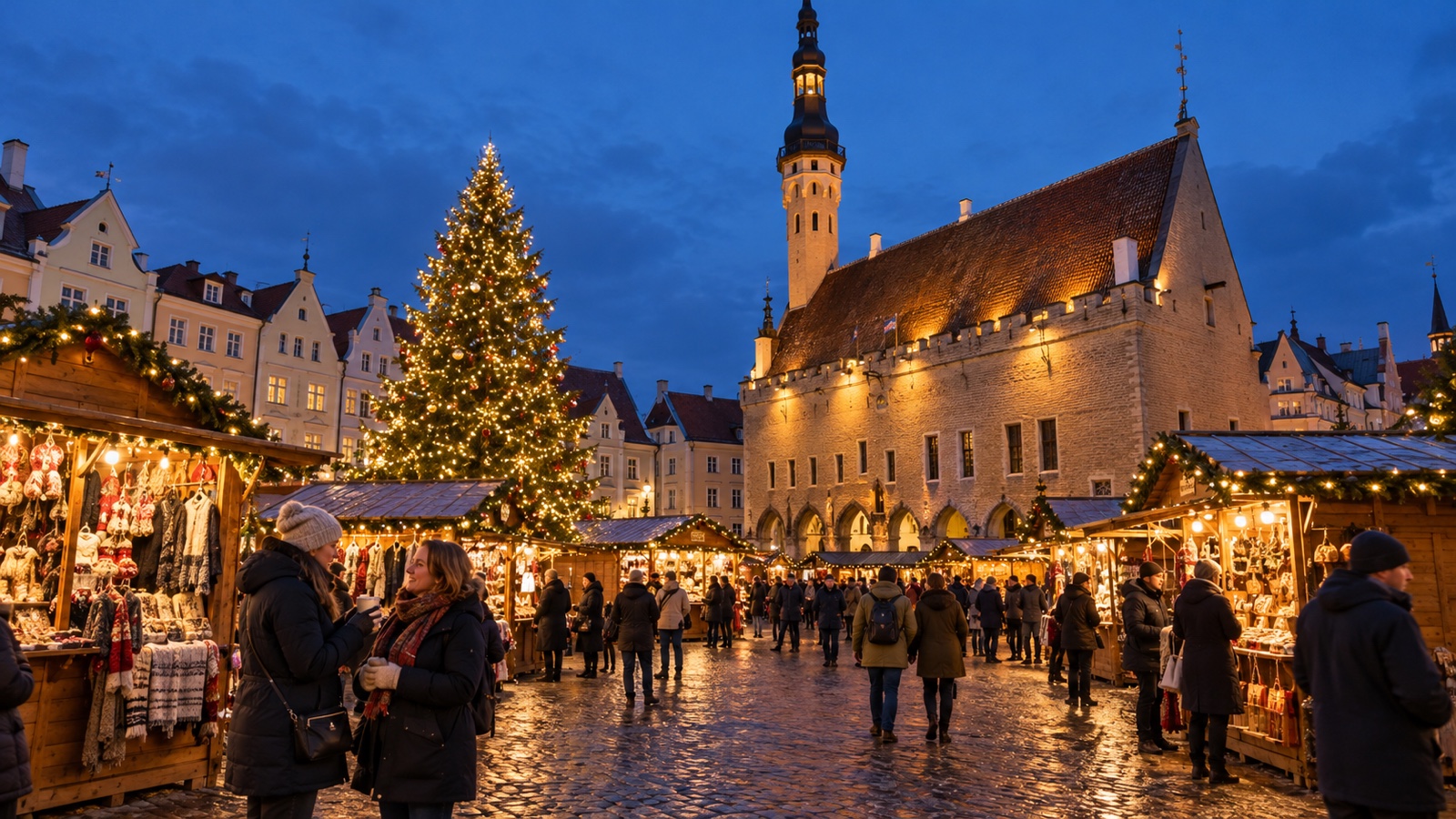
Over 1,000 grills light up the streets of Lisbon during the festival, cooking over 15 tons of sardines for hungry revelers!
The Lisbon Sardine Festival: A Celebration of Portuguese Culture
The Lisbon Sardine Festival, known locally as Festas de Lisboa, is one of Portugal's most iconic cultural events. Held each June, it honors St. Anthony, Lisbon's patron saint, and transforms the city into a lively hub of music, food, and tradition. Recent programs have begun in late May; Visit Lisboa lists the 2027 edition for June, but its detailed program dates have not yet been published.
For locals and visitors alike, the festival is a cherished opportunity to immerse themselves in Portuguese culture and enjoy the unique flavors of grilled sardines, a staple of the event.
Historical Background
The origins of the Lisbon Sardine Festival date back to the 13th century, when St. Anthony, a beloved Franciscan monk, became a symbol of love and matchmaking in Portuguese folklore. The festival initially began as a religious celebration, with processions and prayers dedicated to the saint. Over time, it evolved into a broader cultural event, incorporating traditional music, dance, and, of course, sardines.
In the 20th century, the festival gained widespread popularity, with the addition of street parties and communal grills. Recent editions have spanned about a month and attracted thousands of visitors from across Europe and beyond. Notable milestones include the introduction of the Marchas Populares, a colorful parade featuring neighborhood groups competing in traditional costumes and choreography.
Typical Activities
The Lisbon Sardine Festival is a feast for the senses. The streets of Lisbon come alive with the aroma of grilled sardines, as over 1,000 grills are set up across the city. Visitors can savor this iconic dish, often served with boiled potatoes and a drizzle of olive oil, while enjoying live performances of fado, Portugal's soulful traditional music.
One of the festival's highlights is the Marchas Populares, a parade where participants from different neighborhoods showcase their creativity through elaborate costumes and choreography. The event also features street decorations, fireworks, and pop-up bars serving vinho verde (green wine) and other local beverages.
Traditional Customs
The festival is deeply rooted in Portuguese traditions. One of the most charming customs is the exchange of pots of basil, known as manjericos, which are often accompanied by love poems. This practice stems from St. Anthony's reputation as a matchmaker and is a beloved part of the festivities.
Another tradition is the arraial, a street party where locals and visitors gather to dance, sing, and enjoy traditional foods. The festival also includes religious processions, where statues of St. Anthony are carried through the streets, accompanied by hymns and prayers.
What to Expect
If you're planning to attend the Lisbon Sardine Festival, June is the time to visit. The city's celebrations traditionally build toward June 12 and 13, St. Anthony's feast days. Visit Lisboa lists the 2027 edition for June, but its detailed program dates have not yet been published. The Alfama and Mouraria neighborhoods are particularly lively, offering a mix of traditional and modern festivities.
For first-time attendees, it's recommended to arrive early to secure a spot at the popular grills and parades. Comfortable footwear is a must, as the cobblestone streets can be challenging to navigate. Accommodations in Lisbon fill up quickly during the festival, so it's advisable to book well in advance.
Conclusion
The Lisbon Sardine Festival is more than just a celebration of food and music; it's a testament to Portugal's rich cultural heritage. Whether you're drawn to the aroma of grilled sardines, the soulful melodies of fado, or the vibrant street parties, this festival offers an unforgettable experience.
Don't miss the chance to be part of this iconic event and discover the heart and soul of Lisbon.
Public holidays around the festival
Public and bank holidays in Portugal from 3 days before to 3 days after the expected dates ().
- Corpus ChristiCorpo de Deus
In 6 months - Portugal DayDia de Portugal
In 7 months
Editions
- 2027Expected May 2027 · not announced yetExpected
- 2026Past
- 2025Past